
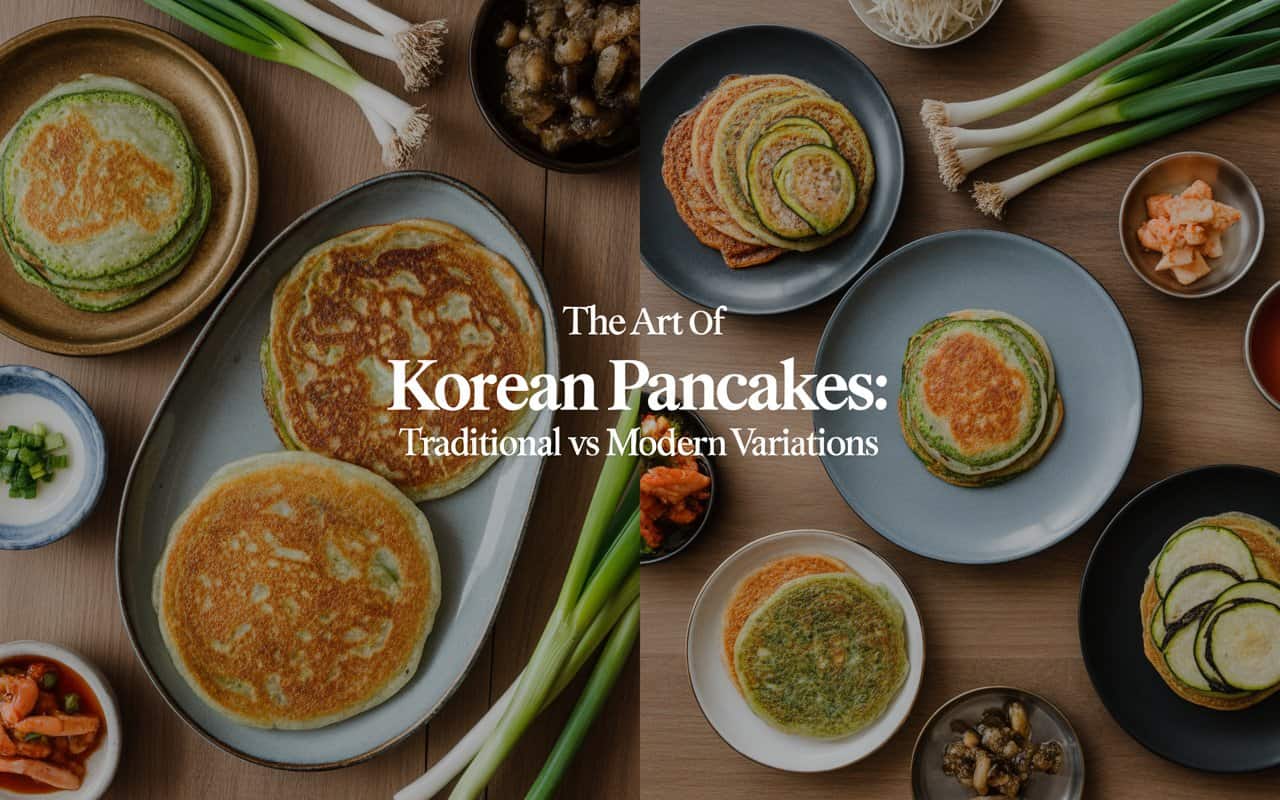
When you think of Korean BBQ, succulent grilled meats might be the first thing that comes to mind. But no Korean BBQ experience is complete without the perfect accompaniments, and Korean pancakes stand out as one of the most beloved side dishes.
Known as jeon (전), buchimgae (부침개), or sometimes chijimi in Japanese-influenced regions, these savory delights have evolved from humble home cooking to culinary works of art.
At 8 Korean BBQ, we celebrate both the time-honored traditions and exciting innovations in Korean pancake making. Whether you’re a purist who appreciates authentic flavors or an adventurous eater seeking modern twists, understanding the journey of Korean pancakes enriches every bite.
Understanding Traditional Korean Pancakes
The Basics of Traditional Jeon
Traditional Korean pancakes are deceptively simple yet incredibly versatile. At their core, they consist of a basic batter made from wheat flour, eggs, and water or broth, combined with various ingredients ranging from vegetables to seafood and meat. The magic lies not in complexity, but in technique and the quality of ingredients.
The traditional cooking method involves pan-frying in a generous amount of oil over medium heat, creating those signature crispy, golden edges while maintaining a tender interior. This technique has been passed down through generations, with each family adding their own subtle variations.
In Korean culture, jeon holds special significance beyond just being delicious. They’re essential dishes for celebrations like Chuseok (Korean Thanksgiving) and Korean New Year. There’s even a charming tradition called jeon and makgeolli weather—Koreans have a particular fondness for eating these pancakes with rice wine on rainy days, as the sound of sizzling pancakes is said to complement the patter of rain.
Classic Traditional Varieties
Pajeon: The Scallion Pancake
Perhaps the most iconic of all Korean pancakes, pajeon features fresh scallions as the star ingredient. The traditional version is straightforward: a simple batter generously studded with long strips of green onion, creating a beautiful lattice effect when cooked. Different regions of Korea have their own variations—some prefer a thicker, chewier texture, while coastal areas might add small fish or seafood.
What makes traditional pajeon special is its restraint. Rather than overwhelming the palate, it allows the sweet, mild flavor of scallions to shine through, with just enough batter to bind everything together into crispy, savory perfection.
Haemul Pajeon: Seafood Scallion Pancake
Born in Korea’s coastal regions where fresh seafood is abundant, haemul pajeon takes the basic scallion pancake to the next level. Traditional versions feature whatever the day’s catch brings—squid, shrimp, mussels, and small clams, all mixed with scallions in a slightly thicker batter.
The beauty of traditional haemul pajeon lies in its celebration of the ocean’s bounty. Fishermen’s families would create these pancakes as a way to use smaller seafood that wasn’t suitable for other preparations, resulting in a dish that’s both economical and absolutely delicious.
Kimchi Jeon: The Zero-Waste Champion
Kimchi jeon represents Korean cooking philosophy at its finest—nothing goes to waste. This pancake is traditionally made with older, more fermented kimchi that’s past its prime for eating as a side dish. The tangy, complex flavors of aged kimchi bring incredible depth to the pancake, while the fermentation process adds natural probiotics.
Traditional kimchi jeon is often slightly thicker and chewier than other varieties, with the kimchi chopped into bite-sized pieces and thoroughly mixed into the batter. The result is a perfect balance of sour, spicy, and savory that pairs beautifully with grilled meats.
Gamja Jeon: Potato Pancake
With humble origins in Korea’s agricultural heartland, gamja jeon showcases the potato in its simplest, most delicious form. Traditional preparation involves grating fresh potatoes and mixing them with minimal batter—sometimes just enough to bind the shredded potatoes together. The starch from the potatoes creates a unique texture that’s both crispy and slightly chewy.
This pancake reflects the resourcefulness of traditional Korean cooking, transforming an everyday ingredient into something special through careful technique and patience.
Bindaetteok: Mung Bean Pancake
Perhaps the most labor-intensive traditional pancake, bindaetteok has ancient origins dating back to the Joseon Dynasty. Traditionally, dried mung beans must be soaked overnight, then ground into a coarse paste using a stone mill. The resulting batter is mixed with vegetables, meat, and kimchi, then pan-fried into thick, hearty pancakes.
Bindaetteok was historically associated with royalty and special occasions due to the time and effort required. Today, it remains a beloved traditional dish that connects modern diners to Korea’s culinary heritage.
Traditional Serving and Pairing
Traditional Korean pancakes are almost always served with cho-ganjang, a simple dipping sauce made from soy sauce, rice vinegar, and sometimes a touch of sugar and sesame seeds. This sauce enhances rather than overpowers the pancake’s natural flavors.
In traditional settings, jeon is served as part of a larger spread of banchan (side dishes) or as an accompaniment to drinks. At Korean BBQ, they provide a perfect textural contrast to grilled meats—the crispy, savory pancakes balance the rich, smoky flavors of barbecued pork, beef, or chicken.
The Modern Korean Pancake Revolution
What Makes a Pancake “Modern”?
The modern Korean pancake movement represents a fascinating fusion of tradition and innovation. While respecting the foundations laid by generations of Korean cooks, contemporary chefs and home cooks are pushing boundaries in exciting ways.
Modern Korean pancakes embrace several key principles: incorporating international ingredients and flavor profiles, adapting techniques for efficiency and presentation, accommodating diverse dietary needs, and creating Instagram-worthy visual appeal. This evolution doesn’t diminish tradition—instead, it introduces Korean pancakes to new audiences and contexts.
Modern Variations and Innovations
Fusion Flavor Profiles
Today’s Korean pancake scene is gloriously diverse. Cheese has become one of the most popular modern additions, with mozzarella-stuffed pancakes that stretch dramatically when pulled apart. Some restaurants create “Korean-Mexican” fusion pancakes topped with spicy mayo, cilantro, and jalapeños.
Western herbs like rosemary, thyme, and basil are finding their way into modern batters, creating unexpected but delightful flavor combinations. Korean chefs are also experimenting with different types of cheese—from sharp cheddar to creamy brie—each bringing its own character to the dish.
Premium Ingredient Upgrades
The modern pancake movement has embraced luxury ingredients in ways traditional cooks might never have imagined. Wagyu beef pancakes combine the Korean love of barbecue with the pancake format, creating rich, indulgent bites. Premium seafood like fresh scallops, lobster meat, and even caviar make appearances on high-end restaurant menus.
Truffle oil, foie gras, and other gourmet ingredients are being incorporated into modern Korean pancakes, elevating them from humble side dishes to statement appetizers. While purists might question these additions, they’ve helped introduce Korean cuisine to fine dining audiences worldwide.
Dietary-Conscious Versions
Perhaps the most practical evolution of Korean pancakes addresses modern dietary needs. Gluten-free versions using rice flour, chickpea flour, or almond flour allow those with celiac disease or gluten sensitivity to enjoy these treats. The textures differ slightly from traditional wheat-based pancakes, but creative cooks have learned to adjust ratios and techniques to achieve similarly satisfying results.
Vegan and plant-based versions replace eggs with flax eggs or aquafaba, and many traditional vegetable-based pancakes are naturally vegan-friendly with minor adjustments. Keto and low-carb dieters can enjoy pancakes made primarily from vegetables with minimal flour, or using alternative binders like cheese.
Creative Presentations
Modern Korean pancakes aren’t just about what’s in them—presentation matters too. Mini pancakes or bite-sized versions make perfect appetizers for parties and events. Some restaurants serve pancake “tacos,” folding the pancake around various fillings for a handheld treat.
Stacked or layered presentations create dramatic visual impact, with different colored batters (using ingredients like spinach, beet, or squid ink) creating striking cross-sections. Some chefs even create pancake “cakes” with multiple thin layers separated by flavored sauces or fillings.
Trending Modern Pancake Creations
Social media has accelerated the evolution of Korean pancakes, with viral trends spreading globally. The “cheese pull” phenomenon has made mozzarella-stuffed pancakes incredibly popular on Instagram and TikTok. Rainbow-colored pancakes using natural vegetable dyes create eye-catching posts that introduce Korean cuisine to younger audiences.
In Singapore and other cosmopolitan cities, Korean restaurants are creating signature pancakes that blend local ingredients with Korean techniques—imagine laksa-flavored pancakes or versions featuring local chili crab flavors. These innovations keep the cuisine fresh and relevant while honoring its roots.

Traditional vs Modern: A Side-by-Side Comparison
Ingredients
Traditional: Simple, accessible ingredients that would have been available in Korean homes for generations. Seasonal vegetables, basic pantry staples, and whatever protein was affordable or available. The focus is on highlighting the natural flavors of each ingredient.
Modern: Global ingredients sourced from around the world. Emphasis on premium, sometimes exotic components. Willingness to experiment with unexpected combinations. Ingredients chosen partly for visual appeal and social media potential.
Techniques
Traditional: Time-honored methods that prioritize patience and skill. Techniques passed down through families, with subtle variations that make each cook’s pancakes unique. Focus on achieving specific textures through experience and intuition rather than precise measurements.
Modern: Efficiency and consistency through measured techniques. Incorporation of modern cooking equipment and methods. Emphasis on presentation and plating. Techniques borrowed from other cuisines and adapted to Korean pancakes.
Flavor Profiles
Traditional: Balanced, subtle flavors that complement rather than compete with other dishes. Umami-rich without being overwhelming. Familiar, comforting taste profiles that evoke home and heritage.
Modern: Bold, attention-grabbing flavors designed to make an impression. Fusion-forward combinations that challenge expectations. Often richer, more indulgent, and more complex than traditional versions.
When to Choose Each Style
Choose Traditional When:
- Seeking an authentic cultural experience
- Pairing with traditional Korean BBQ meats
- Looking for comfort food that feels like home
- Appreciating culinary heritage and history
- Wanting lighter, more balanced flavors
Choose Modern When:
- Feeling adventurous and experimental
- Celebrating special occasions
- Seeking variety and novelty
- Looking for dietary accommodations
- Wanting shareable, visually striking dishes
How to Enjoy Both at 8 Korean BBQ
At 8 Korean BBQ, we believe the best approach is enjoying both traditional and modern Korean pancakes. Our menu features authentic versions made using time-tested techniques alongside creative contemporary variations.
Our traditional pancakes stay true to their roots—hand-made batters, carefully selected ingredients, and cooking methods that honor Korean culinary heritage. Each bite connects you to generations of Korean home cooks who perfected these recipes through love and repetition.
At the same time, we’re excited to offer modern interpretations that showcase the versatility and creativity of Korean cuisine. These innovative options introduce new flavors while maintaining the essential character that makes Korean pancakes special.
Pairing Recommendations with BBQ Meats
The beauty of Korean pancakes lies in their versatility as accompaniments to grilled meats:
- With Pork Belly: Traditional pajeon or kimchi jeon provide a refreshing counterpoint to rich, fatty pork. The crispy texture and subtle flavors cleanse the palate between bites.
- With Beef: Haemul pajeon’s seafood flavors create an exciting contrast with beef’s deep, savory notes. The combination is a classic surf-and-turf experience, Korean style.
- With Chicken: Lighter meats pair beautifully with modern, cheese-laden pancakes. The creamy richness complements rather than overwhelms the delicate chicken flavors.
- For Variety Seekers: Order a selection of pancakes and sides to create your own tasting experience, mixing traditional and modern options throughout your meal.
Tips for First-Time Customers
If you’re new to Korean pancakes, we recommend starting with a traditional variety like pajeon or haemul pajeon to understand the fundamentals. Once you’ve experienced the authentic flavors, try a modern variation to appreciate the creative evolution. Don’t be afraid to experiment with dipping sauces—while traditional cho-ganjang is classic, modern sauces like spicy mayo or gochujang aioli offer exciting alternatives.
Remember that Korean pancakes are meant for sharing. Order several varieties to pass around the table, creating a communal dining experience that’s central to Korean food culture.
Making Korean Pancakes at Home
Essential Tips for Traditional Pancakes
If you’re inspired to recreate traditional Korean pancakes in your own kitchen, here are the secrets to success:
Batter Consistency: The batter should be thin enough to spread easily but thick enough to hold ingredients together. Think crepe batter consistency, not cake batter. A good test is that the batter should slowly drip from a spoon rather than flowing freely or clumping.
Oil Temperature and Pan Selection: Use a heavy-bottomed pan or well-seasoned cast iron skillet for even heat distribution. The oil should shimmer but not smoke—around 350°F (175°C) is ideal. Too hot and the outside burns before the inside cooks; too cool and you’ll get soggy, oil-logged pancakes.
Achieving Perfect Crispy Edges: The secret to those coveted crispy edges is patience and enough oil. Don’t skimp on the oil—traditional Korean pancakes are shallow-fried, not dry-fried. Resist the urge to flip too early; wait until the edges are golden brown and starting to pull away from the pan.
Ingredient Preparation: Cut vegetables uniformly so they cook evenly. For scallions, cut them into long, thin strips that will create an attractive pattern. If using seafood, make sure it’s dry to prevent excess moisture from making the pancakes soggy.
Ideas for Modern Home Variations
The beauty of modern Korean pancakes is that your imagination is the only limit:
Easy Ingredient Swaps:
- Replace regular flour with chickpea flour for gluten-free, protein-rich pancakes
- Use coconut milk instead of water for tropical undertones
- Substitute traditional vegetables with what’s in season or available locally
- Try different proteins—leftover rotisserie chicken, canned tuna, or even plant-based alternatives
Creative Add-Ins from Your Pantry:
- Shredded cheese (mozzarella, cheddar, or pepper jack)
- Corn kernels for sweetness and pop of color
- Chopped kimchi mixed with cream cheese
- Fresh herbs like cilantro, basil, or mint
- Cooked bacon or pancetta for smoky depth
- Sun-dried tomatoes and feta for Mediterranean fusion
Fusion Recipe Ideas:
Korean-Italian Pancake: Add sundried tomatoes, fresh basil, and mozzarella to your batter. Serve with a balsamic glaze drizzle.
Breakfast Pancake: Include scrambled eggs, cheese, and crumbled breakfast sausage. Serve with sriracha maple syrup.
Loaded Veggie Modern Pancake: Mix in shredded zucchini, bell peppers, corn, and jalapeños. Top with sour cream and salsa.
Sweet-Savory Fusion: Add thinly sliced apples and a touch of cinnamon to your batter, then serve with a gochujang-honey sauce for a unique sweet-spicy combination.
The Beauty of Evolution
The story of Korean pancakes—from simple, home-cooked jeon to Instagram-famous fusion creations—reflects the broader narrative of Korean cuisine’s global journey. Traditional versions connect us to history, culture, and the wisdom of generations past. Modern variations demonstrate the creativity, adaptability, and innovation that keep any cuisine vibrant and relevant.
Neither approach is superior; both have their place on the table and in our hearts. Traditional pancakes offer authenticity, comfort, and a taste of heritage. Modern versions provide excitement, inclusivity, and endless possibilities for experimentation.
At 8 Korean BBQ, we’re proud to bridge both worlds. Our pancakes and sides selection honors tradition while embracing innovation, ensuring that every guest finds something to love, whether they’re seeking authentic flavors or adventurous new tastes.
The next time you visit us, we invite you to explore both traditional and modern Korean pancakes. Try the classics that have sustained Korean families for generations, then venture into contemporary creations that push culinary boundaries. Share them with friends and family, pair them with our expertly grilled meats, and discover why these humble pancakes have captivated food lovers around the world.
Experience the Full Spectrum
Korean pancakes are more than just a side dish—they’re a testament to culinary evolution, cultural pride, and the universal appeal of simple ingredients transformed through skill and creativity. Whether crispy and traditional or bold and modern, each pancake tells a story.
Visit 8 Korean BBQ today to experience the full spectrum of Korean pancake artistry. Our chefs have mastered both the time-honored techniques of traditional jeon and the exciting innovations of modern fusion cooking. Every pancake is made with care, attention to detail, and respect for the ingredients—whether those ingredients come from Korean tradition or global inspiration.
Explore our complete selection of pancakes and sides and discover your favorites. From the simplicity of classic pajeon to the indulgence of cheese-loaded modern creations, there’s a Korean pancake for every palate, every occasion, and every appetite.
Ready to embark on your Korean pancake journey? Book your table at 8 Korean BBQ and taste the beautiful intersection of tradition and innovation.
Frequently Asked Questions
What’s the difference between jeon, buchimgae, and chijimi?
These terms are largely interchangeable, referring to Korean-style savory pancakes. “Jeon” is the most common term in South Korea, “buchimgae” literally means “pan-fried” and is used in some regions, while “chijimi” comes from Korean Japanese and is used in certain areas, particularly referring to thicker pancakes.
Can Korean pancakes be reheated?
Yes, but they’re best enjoyed fresh. To reheat, use a skillet over medium heat rather than a microwave to restore some crispiness. Add a small amount of oil to the pan and heat for 2-3 minutes per side.
Are Korean pancakes gluten-free?
Traditional pancakes made with wheat flour contain gluten, but many restaurants now offer gluten-free versions using rice flour or other alternatives. Always ask your server about ingredients if you have dietary restrictions.
What’s the best dipping sauce for Korean pancakes?
The traditional cho-ganjang (soy-vinegar sauce) is classic, but feel free to experiment with gochujang-based sauces, spicy mayo, or even ponzu for different flavor profiles.
Can I make Korean pancake batter ahead of time?
It’s best to use batter immediately for optimal texture, but you can refrigerate it for up to 24 hours. Give it a good stir before using, and you may need to adjust the consistency with a little water.