
Why Oil Choice Matters: The Rise of Non-Seed Oil Cooking in Singapore
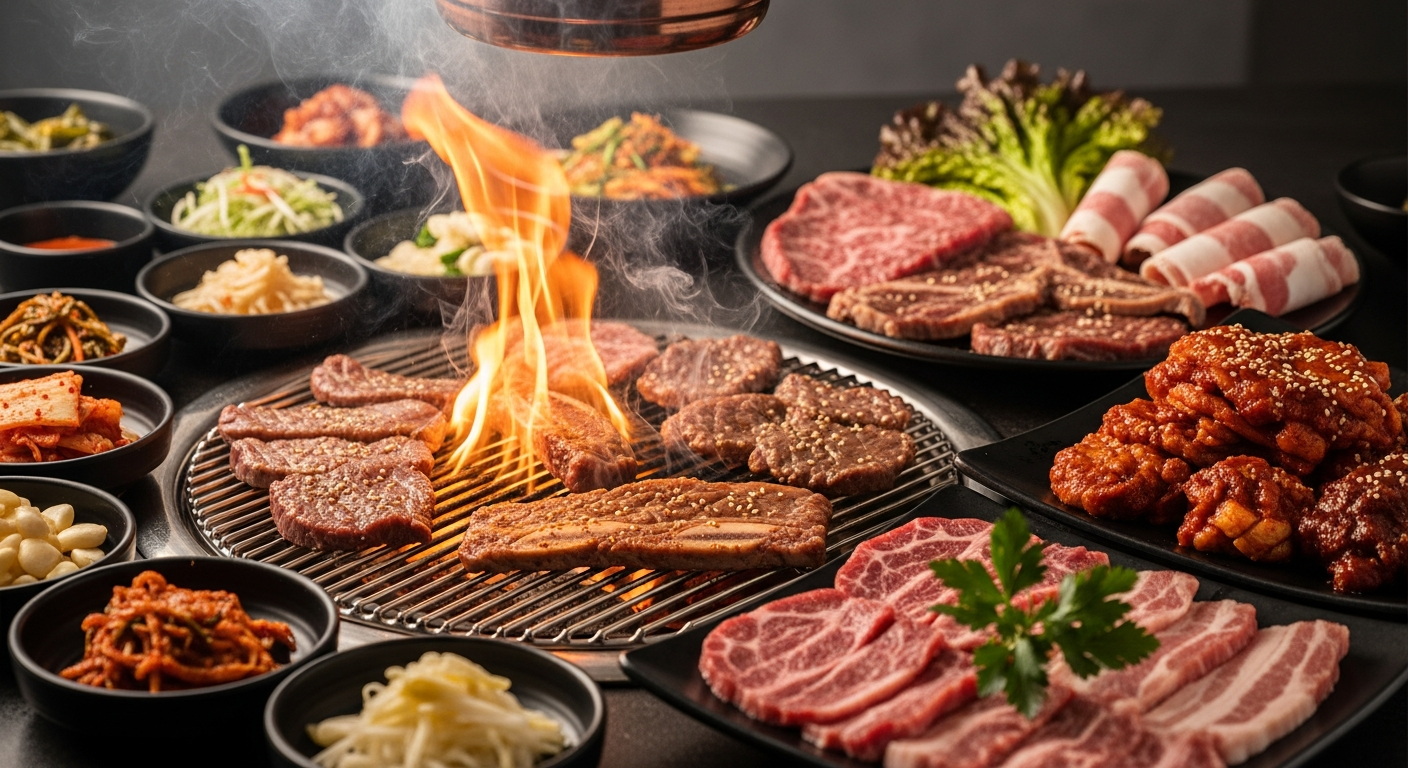
When you’re sitting around a sizzling Korean BBQ grill at a restaurant in Singapore, the last thing on your mind might be the type of oil being used. But increasingly, health-conscious diners are asking exactly that question. Non-seed oil cooking has become a significant differentiator in the premium F&B space, and for good reason.
At 8 Korean BBQ, our commitment to non-seed oil cooking reflects a broader shift in how Singaporeans approach dining out. We’ve eliminated seed oils entirely from our kitchens at both our Clarke Quay outlets, opting instead for alternatives that align with both traditional Korean cooking methods and modern health consciousness.
So what exactly is non-seed oil cooking, and why should it matter to you? Let’s dive in.
Understanding Seed Oils vs. Non-Seed Oils
What Are Seed Oils?
Seed oils are extracted from seeds and include canola, sunflower, soybean, and corn oil. They’re ubiquitous in commercial kitchens worldwide because they’re affordable, have a high smoke point, and are shelf-stable. However, they’re also highly processed and contain high levels of omega-6 polyunsaturated fats, which can promote inflammation when consumed in excess—especially when heated to high temperatures.
Most Korean BBQ restaurants in Singapore use seed oils by default because of cost efficiency. But this choice comes with nutritional trade-offs that many diners are no longer willing to make.
What Are Non-Seed Oils?
Non-seed oils come from sources like nuts, fruits, and animal fats. They include options like:
- Grass-fed beef tallow — Traditional, nutrient-dense, high smoke point
- Ghee (clarified butter) — Rich, authentic to Indian and some Asian cuisines, stable at high heat
- Avocado oil — Neutral flavour, high smoke point, rich in monounsaturated fats
- Coconut oil — Traditional in Asian cooking, antimicrobial properties
- Olive oil — For lower-heat applications and finishing
These alternatives are less processed, lower in inflammatory omega-6 fats, and align more closely with how Singaporean and Korean ancestors cooked for centuries.
The Health Case for Non-Seed Oil Cooking
Why High Heat Matters
Korean BBQ is inherently a high-heat cooking method. The charcoal grills at 8 Korean BBQ reach temperatures where seed oils oxidise rapidly, creating harmful compounds like lipid peroxides and trans fats. Non-seed oils with higher smoke points remain stable at these temperatures, preserving their nutritional integrity and preventing the formation of these unwanted byproducts.
Inflammation and Omega-6 Ratios
One of the biggest health arguments against seed oils is the imbalanced omega-6 to omega-3 ratio they create in your diet. Modern seed oils are extremely high in omega-6 linoleic acid. When consumed regularly, especially at high temperatures, they can skew your body’s inflammatory balance. Non-seed oils generally have better fat profiles, supporting your body’s anti-inflammatory processes rather than promoting them.
For Singaporeans already consuming seed oils in processed foods, hawker centre dishes, and restaurant meals, choosing a Korean BBQ restaurant that uses non-seed oils is a meaningful way to reduce overall intake.
How 8 Korean BBQ Implements Non-Seed Oil Cooking
Our Oil Selection Process
At 8 Korean BBQ, we’ve carefully curated our oil selections to match both our cooking methods and Korean culinary traditions. Our premium marinated meats are prepared using grass-fed beef tallow and ghee, which complement the bold flavours of gochugaru (Korean chilli flakes) and soy-based marinades without introducing the staleness that seed oils can create.
For our Korean side dishes (banchan), japchae, and tteokbokki, we use avocado oil and coconut oil depending on the dish. This approach ensures authenticity while maintaining nutritional integrity across our entire menu.
Quality Control Across Both Outlets
Whether you’re dining at our Clarke Quay location or The Central outlet, the same non-seed oil standards apply. We source our oils from trusted suppliers and rotate them regularly to ensure freshness. This consistency is part of our premium positioning—it’s not a gimmick; it’s a genuine operational commitment.
The Korean BBQ Experience Without Seed Oil Compromise
Taste and Flavour Profile
Interestingly, non-seed oil cooking doesn’t diminish flavour—it enhances it. The clean flavour profile of avocado oil and the richness of grass-fed tallow allow Korean marinades to shine through without any rancid, processed aftertaste. Many diners at 8 Korean BBQ report that our meat tastes “cleaner” and “more vibrant” compared to other Korean BBQ restaurants in Singapore.
Group Dining and Communal Eating
When you’re sharing Korean BBQ with friends and family—whether celebrating a birthday, promotion, or simply gathering for a meal—the health aspect becomes even more relevant. You’re not just enjoying premium, delicious meat; you’re eating something that won’t leave you feeling sluggish or bloated afterward. Non-seed oil cooking supports the social, joyful nature of communal Korean dining.
Korean BBQ Delivery: Non-Seed Oil Quality at Home
Our Marinated Meats and Delivery Sets
8 Korean BBQ’s delivery service extends our non-seed oil philosophy beyond our physical outlets. Our marinated meats and Korean BBQ delivery sets arrive at your Singapore home pre-marinated with our signature non-seed oil blends. Whether you’re setting up a home BBQ or ordering Korean army stew (budae jjigae), you’re receiving the same quality commitment.
For Singaporeans ordering Korean food delivery, this is a significant advantage. Most delivery Korean BBQ options default to seed oils purely for convenience and cost. We’ve chosen the more challenging path.
Comparing Non-Seed Oil Korean BBQ to Standard Options in Singapore
Most Korean BBQ restaurants in Singapore use canola or sunflower oil as their default cooking medium. This keeps costs low (crucial for competitive pricing in Singapore’s dense F&B market) but compromises on health and flavour. Non-seed oil cooking Korean BBQ commands a premium price point—expect to pay 15-25% more per serving—but you’re investing in superior nutritional outcomes and taste quality.
For group dining, this difference compounds. A celebration meal for 8-10 people becomes a deliberate health choice, not just a fun gathering.
What to Expect When You Choose Non-Seed Oil Cooking
- Better digestion — Lighter, less sluggish feeling after meals
- Cleaner flavours — No seed oil aftertaste masking Korean marinades
- Sustained energy — Better fat profiles prevent energy crashes
- Reduced inflammation — Meaningful reduction in inflammatory compounds from cooking
- Premium experience — Higher operational standards indicate overall quality commitment
Making the Switch to Non-Seed Oil Korean BBQ
Choosing where to eat Korean BBQ in Singapore is increasingly about more than just taste and ambiance. It’s about aligning your dining choices with your health values. If you’ve been curious about non-seed oil cooking and its benefits, 8 Korean BBQ offers the perfect opportunity to experience it firsthand.
Visit us at Clarke Quay or The Central to experience premium Korean BBQ prepared with the care and quality you deserve. Whether you’re planning a group celebration, a casual weeknight dinner, or exploring Korean food delivery options, our commitment to non-seed oil cooking ensures you’re making a choice that serves both your palate and your body.
Ready to experience the difference? Book your table at 8 Korean BBQ today, or order our premium marinated meats and Korean BBQ delivery sets for your next gathering. Your healthier, more delicious Korean BBQ experience is just a reservation away.
Want the same seed-oil-free kitchen at home? Our Korean BBQ takeaway boxes use only coconut oil, pork lard and beef tallow — no industrial seed oils, packed and delivered island-wide.